Museums like the MET, and especially the MET, play a very important role because they are on the other end of the spectrum of nationalism.
MaxHollein
The Metropolitan Museum of Art, New York
In Conversation with Andrew McClintock
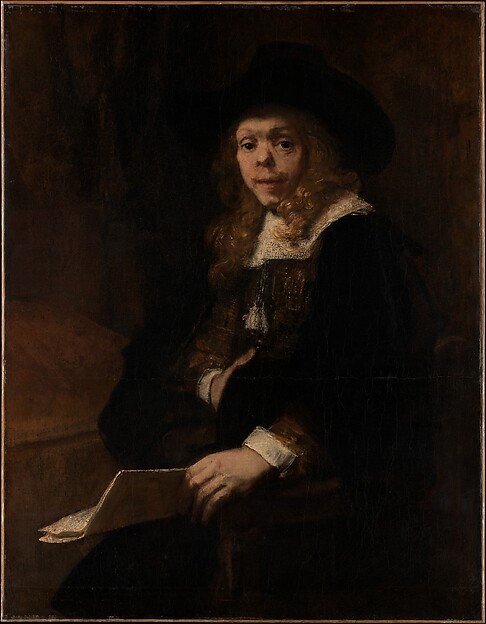
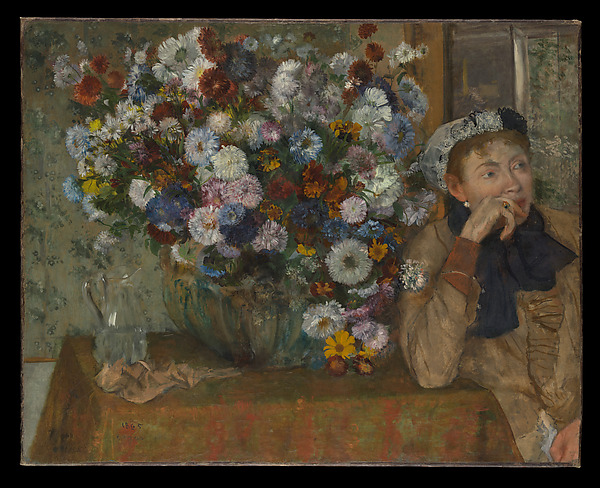
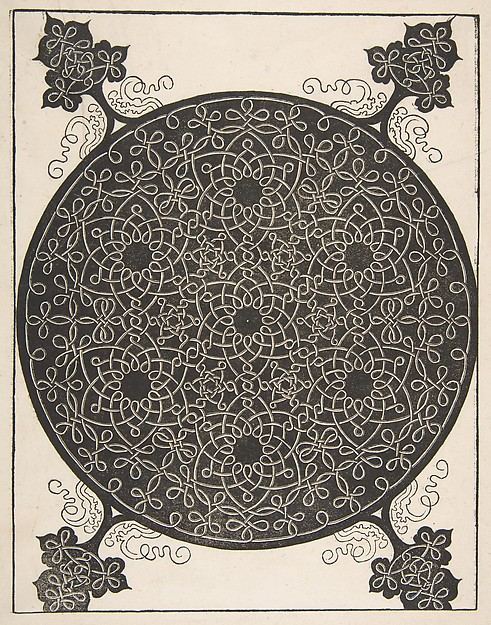
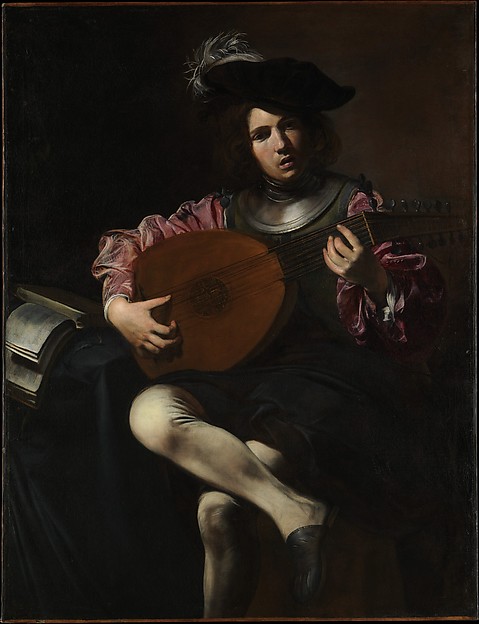
Left: A curated selection from The Met's 460,000 open-access works — live via the Met API
Right: Read the full conversation







Max Hollein: On Museums,
Technology, and Culture
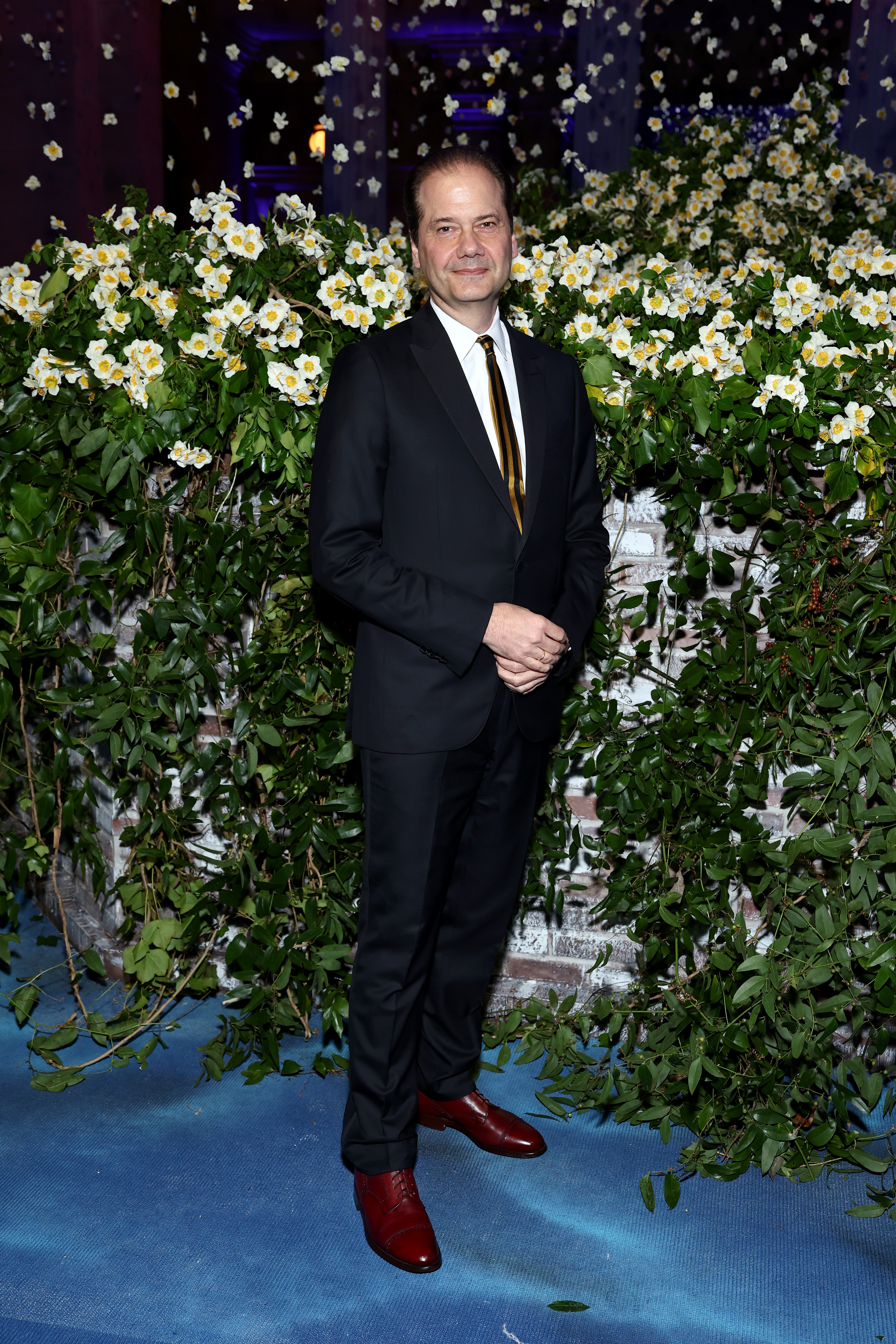
Max, great to see you. I want to go back to the founding of the Met in 1870 and the belief that bringing the world's art to New York would elevate and strengthen American civic life. How do you feel like that mission has changed in 2026 when culture feels a little more politically charged and globally fragmented?
If you look back, of course, the Met was founded by—I would say ambition through ideas and also through a willingness to really embrace various cultures of the world and bring that to one place — and obviously that has developed over time to what is now a broad universal museum. It's not a one-line trajectory, but what you have now with the Met is one of the great universal museums and also an institution that is not a national gallery: it's a national museum. It doesn't come out of either a princely collection or some kind of singular mission.
And I think that's more important than ever in a certain way — that when we live currently through a time that is defined by increasing nationalism, by sometimes even understanding culture more as a national, almost like identifier, rather than as a broad connector. Museums like the Met, and especially the Met, play a very important role because they are on the other end of the spectrum of nationalism.
We are showing cultural connections. We are for learning from not only each other but actually understanding that more often than not, almost all cultural identities are not identified by national borders but actually by a much deeper root that actually connects us and combines it with many others.
When you were director of the Fine Arts Museums of San Francisco, I was very excited to see you taking more traditional scholarly institutions with a focus on the past, and really charging them up by bringing in contemporary artists. And I've seen that approach by you again at the Met —
It's very important for me that museums like the Met — and you mentioned the Fine Arts Museums of San Francisco — that they are contemporary institutions, and what I mean with that doesn't necessarily mean contemporary art but the idea of contemporaneity and the idea that you as a museum have an important voice in the cultural discussions of today as well as in the interpretation of art of the past.
I love giving the façade of the Met towards an artist every year and other elements of intervention. But then also of course, we are currently building new galleries for the art of the twentieth and twenty-first century.
So, it's a major commitment towards contemporary art. But to go back to your question, even more importantly, I think a contemporary attitude is part of this institutional understanding and knowledge and that you can apply to many different areas.
Yes, I love that. The idea of having a contemporary attitude, which I think is a great segue — I was very impressed when I heard that you had nearly thirty million website visitors to the Met's online platforms last year. And also thinking about a contemporary attitude with using technology — I know that you have digitized an insane amount of the archives as an open-source project.
I think we both agree but I think it might be important to state that for me a museum is not only defined by its physical parameters, meaning a museum also happens far beyond our walls with our educational mission, our engagement with communities, and how we disseminate understanding and even appreciation of art through our digital platforms.
So we use digital technologies really first and foremost from the idea of sharing accessibility and allowing people to engage with our information, with our knowledge, with our passion for the arts and you see that in various ways. That's why we had from early on an open access policy that all of our information and images from our collection are usable and can be used. On art history, we are engaging through various different social media channels not only here but also in Europe and we are very active in China and other places. We also of course use newer technologies for imaging and three-dimensional scanning — but also of course to do a lot of other things. We are working together with Apple, Microsoft, and OpenAI. We have a whole number of different partnerships with Google, so it puts us out there and we are clearly deeply involved.
I want to switch to talking about the Met's impact on popular culture, specifically with the Met Gala, which seems to always be the biggest popular culture moment of the year when it comes around. Being in the cultural spotlight, especially over the last couple of years — when there's been a lot of tension around culture wars.
First, the Met Gala for the museum serves the purpose of raising the funds for us to operate the Institute. The Costume Institute at the Met is one of the greatest collections of fashion, of costumes, in the world with about 33,000 objects, garments, and costumes. It's one of the greatest collections of its kind and really shows you the history of fashion as an important art form and this important form of visual culture.
The Gala is also a moment of enormous attention and it brings popular culture together with different forms of the arts in the museum environment.
I think it's relevant that maybe the controversies are happening there as well because fashion as art is often an artistic medium that is very timely. So naturally some of the discourses and debates that we have in society or as a community come to the forefront through fashion.
It's a medium of self-expression and it's a medium that's very fast in how you can self-express yourself and how sometimes the fashion industry even reacts to it. Sometimes maybe not appropriately, or sometimes even in a more controversial way. But it is actually one of the mediums that's very much of the time.
Yes, for sure. Is there anything else you want to touch on?
In our current time where you have so many not only controversies — you have times where you're feeling really a level of angst or tension in society — I think the Met is a place where the community comes together. For many, the museum is currently also a place of profound sanity and — it's calming, it's soothing, for others it's opening up horizons. So I think museums these days are more important than ever. And I think the Met stands for that in a significant way.
And obviously that's why certain power structures are interested in trying to control the cultural narratives because cultural narratives stand the test of time. It's very grounding.
Cultural institutions have always been in that context and if you look back into the past, cultural platforms are important places of discourse, of understanding, and also of influence. So in a certain way I think it's really also the great setup of the Met as this place that's a private foundation — we are supported by enormous amounts of philanthropy — that allows us to really also provide this level of service to the many different communities.